There have been so many recent studies on this ‘novel’ treatment and I have to write about it now.
First of all, what is this treatment?
The official name is ‘repeated low level red light’. It was originally used by Chinese ophthalmologists to treat amblyopia, though there was hardly any evidence for it.
For myopia control, the red light that is used in the treatment has a wavelength of 650 nm, with 1600 lux through the pupil, and children are supposed to look at this light for 3 min x 2 per day, at least 5 days a week.
Is it a strong light? It seems so. A small number of subjects have to withdraw from these studies due to intolerance to the light. Many report after images, but most report the after images gone after 4 minutes.
If you think about it though, that is indeed a strong light. When do you ever experience after images up to even 1 minute in real life?
However, the energy that these devices emit to the retina for that treatment duration in theory is safe. Although that cannot be said to be true for all devices out in the market (see below on ‘issues and concerns’).
Does it reduce myopia progression?
A few years ago, Chinese ophthalmologists and researchers started using this device to slow myopia progression, and found it to be very effective. For example, in 2021, a multi-center, random and single blinded study recruited 264 myopic children 8-13 years of age and found that after 12 months of treatment, the red light group showed significant less myopic progression vs the control group [1].
This new therapy is attractive because it takes very little time per day to do it, perhaps just next to atropine eye drops, and it’s effective.
Any issues or concerns?
However, safety is a big concern. Indeed, there is a report about retinal damage of a child [2]. And a study shows that some of these devices actually exceed the safety limit for human retinas [3].
Another issue is that the follow up period for this treatment is usually short, about 1 year, and we don’t know if the effect is longer lasting, if the effect diminishes after longer duration of usage, or if it can be safely used for longer than 1, 2 or a few years.
Can you use it in children who are not yet myopic to prevent myopia from happening?
Further, can it be used to prevent myopia from developing in the first place? Low dose atropine seems to work [4], in addition to out door activities (so many publications on this). But will red light work too?
A study was published this month to show that the red light seems to reduce myopia incidence in premyopic children as well [5]. This study recruited premyopic children 8-13 years of age and randomly divided them into 2 groups, one control (36 children) and one receiving repeated red light therapy (40 children) 3 min x2 every day for 12 months. After 12 months, the control group showed an average of -0.52 D myopic shift and the treatment group showed -0.18 D shift. The axial length of control group was +0.29 and that of the treatment group was +0.15. The incidence of myopia was 19.4% after 12 months for the control group, and 2.5% for the treatment group. These results show a good efficacy of preventing myopia with the red light therapy. I have adapted the study data in the following figure (Figure 1).
Figure 1. Time courses of change of spherical equivalent refraction (A) and axial length (B). PM- C, premyopia- control group; PM- RL, premyopia RLRL group.
The study also included myopic children with control or red light therapy, and found that red light reduced myopia progression similar to previous studies. But I removed those lines to make it simple.
Axial length shortening
Another cool finding is that red light in some children caused a shortening of the axial length, and reduction in myopia in the first 3 months, then this effect gradually dwindled. Shortening of axial length is not commonly observed, but in certain myopia control cases, it is observed with atropine eye drops, orthokeratology lenses and peripheral defocus glasses. The red light treatment seems to have a large percentage of such shortening cases, which speaks for its good efficacy. Maximum AL shortening percentage was 53.1% in the myopic children who received red light at 3 months, and 21.9% of the subjects still had a significant shortening in AL after 12 months of treatment. In the premyopic children who received red light, maximum AL reduction was 22.5% at 3 months and 12.5% at 12- month follow- up (Figure 2).
Figure 2. The percentage of subjects showing significant AL shortening during the treatment. Axial length (AL) shortening (>0.05 mm) was defined as a significant shortening. PM- C, premyopia- control group; PM- RL, premyopia RLRL group.
Conclusion and final remarks
Recently several studies have shown that repeated low level red light therapy is effective and safe for myopia control and prevention, for the short follow up period of 12 months. Its efficacy is quite impressive, however, we wait for the longer time follow up studies of efficacy and safety.
I don’t view this as a first line treatment of myopia control or prevention, but for those unresponsive to atropine, orthokeratology, soft multifocal contact lenses and peripheral defocus glasses, this is worth trying.
What I would like to see in future studies is a dose response of this treatment. When atropine came out, carefully designed studies looked at all possible concentrations and landed us some pretty safe doses. The red light has just one intensity, one set of treatment dose and it’s used in all studies. Since the safety is the obvious elephant in the room, why not address it? Why not design studies to look at lower intensity, lower treatment duration and frequency? If there is treatment efficacy at half the intensity and even less duration and frequency, we want to know.
Another burning question is that no one knows why the red light works. Is there any intrinsic benefit of redness of the light? Or is it just intensity of the light? We all know out door activity is effective largely due to the brighter light outside. So why not design a real control group where the kids will look at another light source of 1600 lux, perhaps a white light, perhaps a green light, to find out if red light is truly sacred in myopia control? If it’s all about delivering light energy to the retina, then blue light will work even better, right? These studies will help us better understand the mechanism of this seemingly magic treatment.
References:
[1] Jiang, Y., et al., Effect of Repeated Low-Level Red-Light Therapy in Myopia Control in Children: A Multicenter Randomized Controlled Trial. Ophthalmology, 2021.
[2] Liu H, Yang Y, Guo J, et al. Retinal damage after repeated low- level red- light laser exposure. JAMA Ophthalmol 2023;141:693–5.
[3] Ostrin LA, Schill AW. Red light instruments for myopia exceed safety limits. Ophthalmic Physiol Opt. 2024; 44: 241–248. https://doi.org/10.1111/opo.13272
[4] Yam JC, Zhang XJ, Zhang Y, et al. Effect of Low-Concentration Atropine Eyedrops vs Placebo on Myopia Incidence in Children : The LAMP2 Randomized Clinical Trial . JAMA. 2023;329(6):472–481. doi:10.1001/ jama.2022.24162
[5] Liu G, Rong H, Liu Y, et alEffectiveness of repeated low-level red light in myopia prevention and myopia controlBritish Journal of Ophthalmology Published Online First: 17 April 2024. doi: 10.1136/bjo-2023-324260
Many kids are myopic and need glasses. Sometimes the parents are worried that wearing glasses may make their eyes worse, or request to have a ‘weaker’ prescription for fear that strong prescriptions are bad for their eyes. Sometimes kids don’t wear glasses at all, despite having trouble seeing far away; mostly the kids are doing this, but I have had occasionally some parents refusing their children to wear glasses for whatever reasons.
So, when your kids have myopia, should they wear glasses?
The answer is YES. A review article [1] looking at previous research on this subject found that under-correction, which means to wear weaker glasses on purpose, more often than not, will cause the myopia to progress faster. Not wearing glasses is a form of under-correction.
When your kids have myopia, should they wear ‘weaker’ glasses?
The answer is NO. Under-correction, or wearing weaker glasses will not only make kids’ vision blurry, but also potentially make their myopia progress faster.
When your kids have myopia, should they wear glasses that are stronger than necessary?
The answer is NO. I cannot fathom why some people would want glasses to be stronger than what they should be, perhaps they want to save money when myopia progresses so that they don’t need to buy another pair? In any rate, it’s not good practice either, as stronger prescription does not help and may actually cause myopia to progress faster as well.
So there you have it, for children with myopia, a proper prescription of glasses is necessary, not weaker, not stronger, but just right. This way they will see well and myopia progression is not worsened by not having glasses or having the wrong glasses.
Reference
[1] Logan NS, Wolffsohn JS. Role of un-correction, under-correction and over-correction of myopia as a strategy for slowing myopic progression. Clin Exp Optom. 2020 Mar;103(2):133-137. doi: 10.1111/cxo.12978. Epub 2019 Dec 18. PMID: 31854025.
We all know that the sunlight is the best light to prevent and control myopia in children. I have previously published multiple media items to talk about this and you can view them here. Indeed playing outside is the best way to prevent myopia. However, given the modern lifestyle, it is inevitable that we are still spending majority of the awake time inside a house, be it home, school, work or even entertainment. What can we do to reduce myopia while inside the house?
The key is to ensure that children have sufficient ambient light when staying indoors [1,2], including doing all activities, such as studying, eating, having fun, that is, except for sleeping at night.
If you can afford a glass house such as the one below, then you are all set. The sun will be your light source. It’s like you are living outside all the time. No one will develop myopia in such a house, ever.
However, as dreamy as this house may be, you and I most likely will never get to live in one, so we have to resort to having good lamps.
Living in New England, most of the houses here are old, without the floor to ceiling windows you see in modern homes, and winter here is basically 6 months long with extended dark nights. Mind you, it gets dark at 4 PM, so when you get home from work or school, you will not have any natural light to do myopia-preventing outdoor activities. This will be a good time to crack up your home light intensity. The brightest light indoors is still several orders of magnitude weaker than outdoor sunlight. So never worry that your light may be too bright. On the contrary, always worry that your light is too dim.
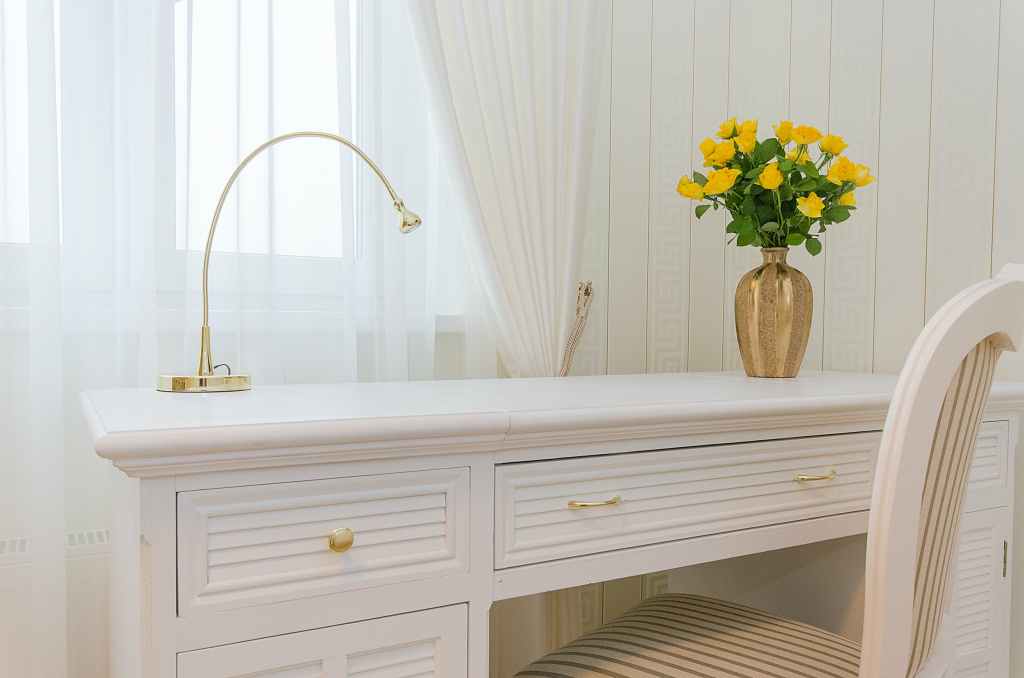
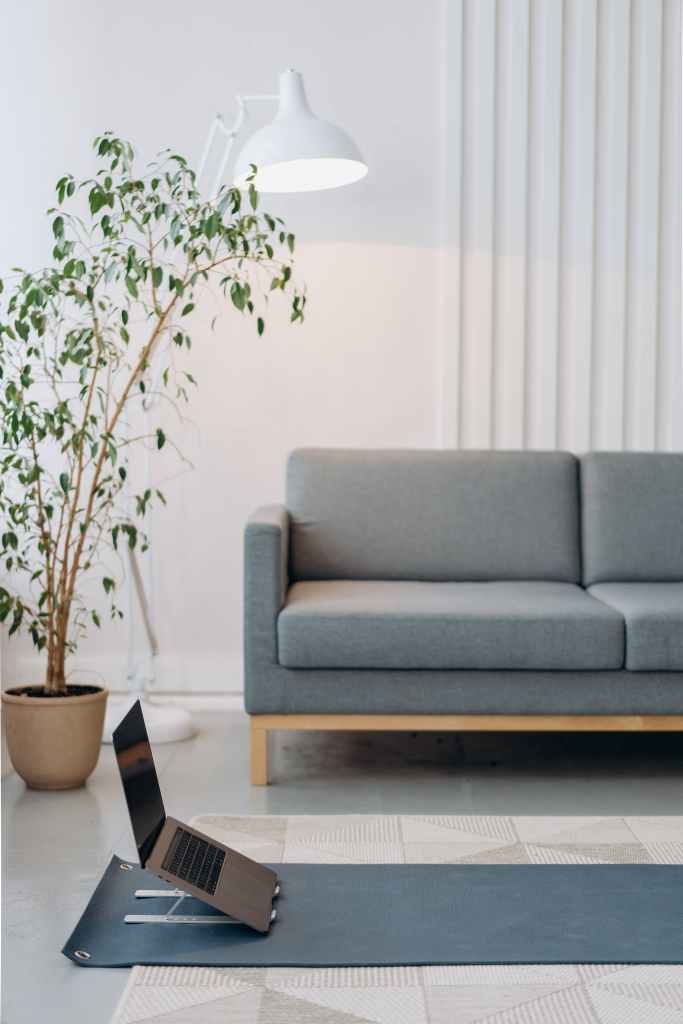
Most homes will use some or all of the lighting sources: desklamp, floor lamp or ceiling lamp. I will provide some guidelines for how to choose a good one for myopia control for each of these.
Desk lamp
1. Sufficient brightness
Desk lamps should provide sufficient brightness to ensure that reading materials such as books, documents, and screens are clearly visible and reduce eyestrain. Usually, the suitable reading brightness is about 300 to 600 lumens.
2. Good color accuracy
Choose desk lamps with a high color rendering index (high Ra) as they can render colors more accurately and reduce visual fatigue. By definition, Ra under natural light is set as 100. When you choose a desk lamp, try to choose Ra95 or above, so that the color accuracy is closer to that under natural light.
3. Good uniformity of illumination
Make sure the light from the desk lamp is evenly distributed and does not create noticeable shadows or glare. The smaller the variation in lighting, the less likely it is that the pupils will dilate or constrict, which can lead to visual fatigue.
4. Comfortable color temperature [3, 4]
The color temperature of a light is an indicator that describes its color appearance, usually expressed in units of Kelvin (K). Different color temperatures will produce different visual effects. Here are some differences between different color temperatures:
Lower color temperatures (2700K – 3000K): Lower color temperatures typically appear as warmer tones, similar to yellow or orange light. This color temperature is warm and comfortable, suitable for casual environments.
Medium color temperature (3500K – 4500K): Medium color temperature usually appears as natural white or natural daylight color. This color temperature is fresh and neutral, which is more suitable for studying. It helps improve alertness and concentration.
Higher color temperature (above 5000K): Higher color temperature appears as cool colors, similar to a bluish white light. This color temperature is typically used in environments that require a high degree of lighting and visual precision, such as operating rooms, laboratories and workshops. Higher color temperatures can increase alertness and concentration, but may feel cold when used in a home environment.
In addition, the color temperature of the lights can also be adjusted between different activities and time periods to suit different needs.
For example, you can use a medium color temperature when studying during the day; and at night, if you plan to read a book before going to bed, you can adjust the color temperature to a lower color temperature to help you relax and get ready for asleep.
Some desk lamps can have settings to adjust between different color temperatures as well as brightness of the light, which are helpful.
5. Ability to adjust brightness
Even though it is beneficial to prevent myopia by using as bright a light as possible, in some cases, you may find it difficult to tolerate bright light, such as when you have dry eye syndrome, conjunctivitis, or migraine headaches. Turn down the brightness if you suffer from these conditions.
6. Blue light
There is a lot of debate about blue light for eye health. Blue light is part of the natural visible light spectrum. A normal dose of blue light exposure is good for the eyes, circadian rhythm, and a happy mood, but excessive exposure is bad [5].
The visible light spectrum of sunlight is a continuous spectrum, including blue light and all the way to red light. Compared with natural light, the spectrum of many LED lights contains a disproportionately high amount of blue light. When you choose desk lamps, try to choose light bulbs with a continuous spectrum and no excessive blue light.
7. Avoid flickering
Desk lamps should not produce significant flicker, as flickering light sources may cause eye discomfort.
8. Proper positioning, height and angle
Place the desk lamp in a suitable position to ensure that the reading material is illuminated without the light shining directly into the eyes. Avoid light shining on the screen or reflect onto your eyes. Some desk lamps have adjustable arms, lampshades, diffusers or beam angles that allow you to adjust the direction and range of light as needed.
9. Additional functionality
Some modern desk lamps come with remote controls, touch controls, or smartphone app controls for easier operation and adjustment. These have nothing to do with myopia control and can be selected according to personal preferences.
10. Energy efficiency
Choosing energy-efficient desk lamps can reduce energy consumption, help save money on electricity bills, and be greener on the environment. LED desk lamps generally have high energy efficiency. Although our focus is on preventing myopia, it would be better if it could also save energy.
Although desk lamps are the direct source of light for children to study, the lighting of the environment in which children live and play is also important. When we are outdoors, the entire environment is bright, not just the 40 centimeters in front of our eyes.
So while using a desk lamp, you can also consider turning on a floor lamp or ceiling lamp. The considerations for selecting these lamps are similar to those introduced before for desk lamps, but there are a few additional considerations.
∎For ceiling lights, good design and shading should also be considered: tryto prevent the light from directly entering the eyes.
∎For floor lamps, in addition to good design and shading, you can also consider the appropriate height and whether the light direction can be adjusted: Some floor lamps have adjustable arms or lampshades, allowing you to control the direction and range of light.
Good indoor lighting is necessary not only in the study room, but the entire environment should be as bright as possible. For example, install a good ceiling light above the dining table so that family can enjoy food in a nice a bright environment. If you are like me, you would spend a good amount of time eating dinner every day. Many families have a sunroom for children to play in, which is a fantastic idea. If children are playing or watching TV in the living room, it will be beneficial to add ceiling lights or additional floor lamps to increase the brightness of the environment.
In summary, the best indoor lighting for myopia control is bright illumination as well as a few other perks, possibly utilizing multiple light sources throughout the house. Ideally this is in addition to the out door activities, not instead of them.
References:
[1] Jiang X, Kurihara T, Torii H, Tsubota K. Progress and Control of Myopia by Light Environments. Eye Contact Lens. 2018 Sep;44(5):273-278. doi: 10.1097/ICL.0000000000000548. PMID: 30048342
[2] Landis EG, Yang V, Brown DM, Pardue MT, Read SA. Dim Light Exposure and Myopia in Children. Invest Ophthalmol Vis Sci. 2018 Oct 1;59(12):4804-4811. doi: 10.1167/iovs.18-24415. PMID: 30347074
[3]Weitbrecht WU, Bärwolff H, Lischke A, Jünger S. Wirkung der Farbtemperatur des Lichts auf Konzentration und Kreativität [Effect of Light Color Temperature on Human Concentration and Creativity]. Fortschr Neurol Psychiatr. 2015 Jun;83(6):344-8. German. doi: 10.1055/s-0035-1553051. Epub 2015 Jun 22. PMID: 26098084.
[4]Chao Wang, Fan Zhang, Julian Wang, James K. Doyle, Peter A. Hancock, Cheuk Ming Mak, Shichao Liu, How indoor environmental quality affects occupants’ cognitive functions: A systematic review, Building and Environment, Volume 193,2021,107647,ISSN 0360-1323,https://doi.org/10.1016/j.buildenv.2021.107647.
[5]Wahl S, Engelhardt M, Schaupp P, Lappe C, Ivanov IV. The inner clock-Blue light sets the human rhythm. J Biophotonics. 2019 Dec;12(12):e201900102. doi: 10.1002/jbio.201900102. Epub 2019 Sep 2. PMID: 31433569; PMCID: PMC7065627.
Yes, low dose atropine can lower myopia risk if used in children without myopia in this Hong Kong study. However, even without it, 47% of the studied children did not develop myopia after 2 years. In those using 0.01% atropine, 54% did not develop myopia, and in those using 0.05% atropine, 72% did not develop myopia. A dose dependent effect of myopia prevention can be inferred. But whether to use atropine or what dose to use should be an individualized process.
This article is also available in an audio podcast format in case you want to give your eyes a break. Click here to listen.
Official full text below
Recently, the University of Hong Kong published a paper [1] to study whether two different concentrations of low-dose atropine can prevent the development of myopia for children whose eyes are not yet myopic. This is a randomized double-blind study involving more than 400 children aged 4-9 years old with 0-1.00 diopters of hyperopia. About 1/3 received placebo, 1/3 used 0.05 % atropine once daily, and 1/3 used 0.01 % atropine eye drops once daily for two years, and the development of myopia was observed in these children. The study found no statistically significant difference using atropine 0.01% compared with placebo. In contrast, atropine at a concentration of 0.05% was able to delay the progression of myopia. After this article came out, many people had doubts. Wasn’t it shown that atropine at a concentration of 0.01% can control the growth of myopia? Why can’t it play a role in preventing myopia? So should we not use 0.01% atropine at all, but should use 0.05% instead?
To explore this issue, we need to understand the history of atropine used to control myopia.
It was discovered decades ago that 1 % atropine (note the high concentration) could slow down the progression of myopia. However, relatively high-quality evidence, such as a randomized, double-blind clinical study, was not published until 2006. In 2006, a clinical study conducted in Singapore confirmed that 1 % atropine was used for 2 years to effectively control myopia, reducing myopia by 7 7% [2]. Of course, its side effects are also very significant. 1% atropine is a common drug used to dilate pupils for fundus examination or for cycloplegic refraction. It can effectively dilate the pupils and completely paralyze the ciliary muscle of the eyes, so the eyes will be very light sensitive and blurry when looking at near objects. This side effect makes it unrealistic to use 1% atropine to control myopia. Almost no one can tolerate such side effects, especially considering that myopia control is done over many years, due to myopia progression naturally stops only between the ages of 16 and 18. Another disadvantage of 1% atropine for myopia control is that myopia progression actually rebounded remarkedly after discontinuation [3].
Later, scholars in Singapore did more randomized double-blind studies [4], they studied whether lower concentrations of atropine besides 1% atropine can also play a role in controlling myopia, which may have less severe side effects. They studied concentrations at 0.5%, 0.1%, and 0.01%. In this study, scholars found that the effect of atropine on controlling myopia is a concentration-related. That is to say, the higher the concentration, the better the effect of controlling myopia. But the side effects are also dose dependent. Another result that surprised them is that 0.01%, which is equivalent to diluting 1 % atropine 100 times, can still play a role in controlling myopia. And this concentration of atropine has almost no mydriatic (pupil dilating) effect and side effects. This study was also observed for two years.
At the third year, all children stopped using atropine, and the researchers wanted to see whether myopia would continue to grow. They found that after stopping the relatively high concentrations of atropine (0.5 % and 0.1 %), the myopia rebounded, that is to say, the speed of myopia progression increased faster than average myopic children. But surprisingly the 0.01% concentration of atropine showed no such phenomenon of rebound [5].
The study found that the side effects of atropine at a concentration of 0.01% are very low. Although there are some side effects of mydriasis and loss of accommodation, the vast majority of children are not disturbed, and they can still see normally.
This result suggests that although the concentration of 0.01% atropine is very low, it can effectively control myopia, and the side effects are also the lowest. It is conceivable that the safety is also the best. After this research was published, many countries in Asia began to use 0.01% atropine to control myopia in children. At the same time, people started to steer away from the relatively high concentration of atropine (a concentration greater than 0.1 %), because these high concentrations may not only have worse side effects, but also rebound after discontinuation.
However, at this time, there is no research on concentrations in between 0.1% and 0.01%. Will they also be effective in controlling myopia? How about the side effects? What about myopia rebound after discontinuation?
To answer these questions, researchers at the University of Hong Kong conducted research on this issue. They recruited children who had already developed myopia and randomly assigned them to placebo, 0.01%, 0.025%, and 0.05% concentrations of atropine once a day. Their research also found that the effect of atropine on controlling myopia has a dose dependent effect, and the higher the concentration, the better the effect of controlling myopia. The effect of atropine 0.025% and 0.05% in controlling myopia is better than that of 0.01% [6]. Reenforcing previous research, compared with placebo, atropine at a concentration of 0.01% can still control myopia. The researchers also tested the children’s accommodation and how pupil size was affected by these different concentrations of atropine. It turns out that it is also related to the concentration, that is to say, the higher the concentration, the greater the side effects. However, even atropine at a concentration of 0.05% is still tolerated by most children.
After the two-year study, they also stopped using the drug for a year to see if the myopia would rebound. This result is also related to the concentration of atropine. If the concentration is slightly higher, such as 0.05%, the rebound will be slightly more. Of course, this rebound is much smaller than the rebound of atropine with a higher concentration such as 0.1%, 0.5% and 1%. The lowest rebound is still 0.01% [7].
These results are actually quite consistent with the previous results in Singapore. Generally speaking, we know that the higher the concentration of atropine, the better the effect of controlling myopia, but even at a concentration of 0.01%, it is already effective. In terms of side effects, atropine at a concentration of 0.05% or lower are relatively easy to tolerate, and more than this concentration will be worse, and more children will not be able to tolerate it. Therefore, it is generally believed that atropine with a concentration of 0.05% or lower should used, and atropine with a higher concentration is not recommended. In particular, there are other means to control myopia, such as orthokeratology lenses, peripheral defocused spectacles, and soft multifocal contact lenses, so it is not necessary to insist on a high-concentration atropine, which will reduce quality of life. Since the long-term safety of atropine is still under study, it is important to minimize drug exposure, using a relatively low concentration and with the shortest duration possible. The rebound phenomenon after discontinuation also needs attention, as there may be many children who will not be able to use atropine all the years until they are 18. From this point of view, 0.01% concentration of atropine is still a good choice.
These previous studies were conducted on children who had already developed myopia. But more and more parents are asking, since low-concentration atropine can effectively control the growth of myopia, can I use it when my child is not yet myopic, so as to prevent my child from developing myopia, maybe he will never develop myopia?
The current study by the University of Hong Kong helped us answer this question. The data of this study tell us that the use of 0.01% and 0.05% atropine to prevent the development of myopia is relatively safe, and the side effects in these children are also relatively low, and most children can tolerate it. The effect of 0.05% concentration of atropine is significant. But they also found that 0.01% atropine was not much different vs controls. So should 0.01% concentration of atropine be abandoned?
We have to analyze this issue with logic. Though this new study unfortunately did not include the 0.02% concentration, a trend can be seen from the data that the effect on the prevention of myopia is dose dependent. Atropine at a concentration of 0.01% was actually better than placebo (Figure 1), though this result did not reach statistical significance. Myopia developed in 45.9% of the children given atropine 0.01% compared with 53% of the children given the placebo.
Figure 1. Myopia prevention by atropine. In the beginning, none of the children had myopic (the value was 0). As time went by, more and more children developed myopia. But the children who received 0.05% atropine had the lowest rate of myopia. The blue line is the placebo group, the black line is the 0.01 % atropine group, and the orange line is the 0.05 % atropine group. The chart comes from reference [1]
I think the results of this study are quite consistent with previous studies on myopic children, that is to say, the higher the concentration, the better the effect of atropine on controlling or preventing myopia. This is straightforward, logical, and supported by a lot of previous data. So the 0.01% is just a dose that is very low, that in certain population the effect is not significant enough. And this population happens to be one that even without any intervention, myopia does not develop in half the children, as shown by the placebo group. That is to say, even in the group of children who received atropine at a concentration of 0.05%, perhaps half of the children did not need to use it at all and would not develop myopia.
On the other hand, though 0.05% atropine is effective, it is not 100% effective. After two years of intervention, approximately 28.4% of children in the 0.05% atropine group were still myopic. So it is clear that 0.05% atropine can indeed reduce the risk of developing myopia within two years, but it cannot completely avoid the occurrence of myopia.
This is the conclusion of the research. There is naturally a big difference between real life and research. In the study, a child is randomly assigned to a treatment regimen for a time set by the study, say in this case two years. In real life, of course, it is impossible to apply a fixed method to a child, regardless of the effect of the method itself over years. For example, in real life, we may give a child 0.01% concentration of atropine to control myopia. If it is observed that the control effect is not very good, we will switch to other methods, such as increasing the concentration of atropine, or changing to orthokeratology lenses or soft multifocal contact lenses, instead of continuing to use the same method mechanically. Therefore, the enlightenment brought to us by a study is mainly the effect and safety of the treatment method itself. Based on this information, we can apply the methodology to treat patients. It is not an automatic copying of the research.
What we know so far is that the safety of low-concentration atropine between 0.01% and 0.05% is relatively good, and most children can tolerate the side effects. In children who are already myopic, it can control myopia, and the higher the concentration within this range, the better the control effect. We also know now that even in non-myopic children using these concentrations of atropine can reduce the risk of myopia development, a similar dose dependent effect can be inferred. But this does not mean that when children are not nearsighted, 0.05% concentration of atropine should be used to prevent myopia automatically. Consider that 47 % of children do not develop myopia within two years even without any medical intervention. If 0.05% concentration of atropine is blindly given to every child, this will increase unnecessary drug exposure to nearly half of the children.
For those children whose parents are myopic, and whose eye axial growth is relatively fast and hyperopia is declining rapidly, if the parents and children have a strong motivation to prevent the development of myopia, 0.05% can be considered in this scenario. But for a child with relatively stable hyperopia and normal eye axial growth, it is not necessary. It is safer to observe regularly and intervene only after changes are detected.
Even after children develop myopia, what kind of concentration to use is a personalized treatment process. Atropine at a concentration of 0.01% can indeed reduce the rate of myopia increase, which has been confirmed in many clinical trials. A more reasonable consideration is to use 0.01% concentration of atropine to control after the development of myopia, and observe regularly for six months to one year. If the effect is not good, then increase the concentration to 0.05% , add/or use other controls model. Because there are indeed many children who can get effective myopia control after using 0.01% concentration of atropine alone, with the least rebound effect and side effects. If you use a relatively high concentration directly without trying a low concentration first, you will not know whether the child can effectively control myopia with only a lower concentration, which is not conducive to reducing drug exposure.
As a parent, you can communicate with the doctor to formulate a personalized treatment plan that suits your child, instead of blindly following the trend and using atropine with a relatively high concentration for control.
To summarize the existing research results of atropine in controlling myopia: atropine can effectively control the growth of myopia, and this effect is related to the concentration, the higher the concentration, the better the effect. However, the higher the concentration, the greater the side effects, and the more rebound after discontinuation. At present, it is found that 0.01%, and 0.025% and 0.05% concentrations of atropine can effectively control the further growth of myopia. And their side effects are acceptable to most children. For prevention of myopia, 0.05% concentration of atropine can also be considered. Atropine at a concentration of 0.01% has no significant difference from placebo in the prevention of myopia in one study so far. But the current study is limited to children in Hong Kong, and the follow-up is only two years. In fact, for an individual child, what method to use to prevent or control myopia should be a personalized plan for the child and their family.
References
[1] Yam JC, Zhang XJ, Zhang Y, et al. Effect of Low-Concentration Atropine Eyedrops vs Placebo on Myopia Incidence in Children : The LAMP2 Randomized Clinical Trial . JAMA. 2023;329(6):472–481. doi:10.1001/ jama.2022.24162
[2] Chua WH, Balakrishnan V, Chan YH, et al. Atropine for the treatment of childhood myopia. Ophthalmology. 2006;113: 2285e2291.
[3] Louis Tong, Xiao Ling Huang, Angeline LT Koh, Xiaoe Zhang, Donald TH Tan, Wei-Han Chua, Atropine for the Treatment of Childhood Myopia: Effect on Myopia Progression after Cessation of Atropine, Ophthalmology, v Volume 116, Issue 3, 200 9
[4] Chia A, Chua WH, Cheung YB, et al. Atropine for the treatment of childhood myopia: safety and efficacy of 0.5%, 0.1%, and 0.01% doses (Atropine for the Treatment of Myopia 2). Ophthalmology. 2012;119: 347e354
[5] Chia A, Chua WH, Wen L, et al. Atropine for the treatment of childhood myopia: changes after stopping atropine 0.01%, 0.1% and 0.5%. Am J Ophthalmol. 2014;157:451e457.e1.
[6] Yam JC, Li FF, Zhang X, et al. Two-year clinical trial of the Low-Concentration Atropine for Myopia Progression (LAMP) Study: Phase 2 Report. Ophthalmology. 2020;127: 910e919
[7] Yam JC, Zhang XJ, Zhang Y, Wang YM, Tang SM, Li FF, Kam KW, Ko ST, Yip BHK, Young AL, Tham CC, Chen LJ, Pang CP. Three-Year Clinical Trial of Low-Concentration Atropine for Myopia Progression (LAMP) Study: Continued Versus Washout: Phase 3 Report. Ophthalmology. 2022 Mar;129(3):308-321. doi: 10.1016/j.ophtha.2021.10.002. Epub 2021 Oct 7. PMID: 3462780 9.
I will share a secret that can lead to complete myopia prevention in this video. It’s simple, but not many people among the general public know about it. It sounds simple, but in reality is extremely hard to achieve.
If you don’t want to watch the video, here is the transcript.
Secret to stopping myopia
Hello, this is Dr. Ding. I am an eye doctor and today I would like to tell you the secret to stopping myopia.
Myopia affects 1 in 3 people on this planet, and people with myopia have increased risks of a host of eye diseases that may lead to blindness. No, it is not merely an inconvenience of glasses or contact lenses that can be fixed by lasik surgery later. It is a fundamental change to the eyeball that permanently changes the anatomy and robustness of the eyes that no lasik can fix. Lasik may make you lose those glasses, but your eyes are nonetheless the same ones with the increased risk of macular degeneration, retinal detachment, cataract and glaucoma. These are conditions that glasses, contact lenses, or lasik can not fix.
So now you know that myopia is bad, but why is myopia so prevalent?
We can blame some of this on our parents. Some of them have genes that make it easier for people to develop myopia. For example, if parents both have myopia, then their kids will have a much higher chance of developing myopia as well. It’s a bit like tall parents will give birth to kids who will become tall adults eventually. Unfortunately, we really don’t have a way to choose our parents or our genes at this moment. So let’s find out what else is the problem.
For hundreds of thousands of years, humans lived as hunter gatherers and/or farmers, which means a lot of time spent outdoors.
And up until some two thousand years ago, humans did not really read. Computers came out only in the last century, as well as ipads and smartphones. With modern education and lifestyle, it has become the norm to spend the majority of wake time reading, writing, or looking at things at an arm’s length, most often in a room.
And this is a big problem for our eyes. Human eyes are supposed to be emmetropic or just right by stopping growing after 6-8 years of age. However, the constant near work and lack of exposure to high intensity, full-spectrum natural light keep sending signals to our eyes to continue to grow, which leads to myopia. As a result, children’s eyes develop myopia which continues to progress up till early adulthood. In fact, this high stress and demand we put on our eyes make myopia grow even in people’s 30’s and 40’s.
The sad thing about myopia is that it is not reversible, which means that once it forms, it does not reverse. It’s just like when you grow to be 6 feet tall, you don’t just shrink to 5 feet.
The sadder thing about myopia is that it will continue to progress if nothing is done to stop the eye from growing.
The saddest thing about myopia is that it happens so early in life that the people who have this happen to them, AKA children, are too young to be able to make a decision to live differently to make a difference. It is up to the parents, the teachers, the school and the society to tell them, hey, this is hurting your eyes and we have to do something to stop your eyes from getting bad or worse.
So what can parents do? First, we need to know that normal growth or kids’ eyes rely on a good amount of outdoor activities daily. Numerous studies have shown that 2 hours of outdoor activities daily prevent myopia from happening in the first place, and slow down myopia progression once it starts.
What is so special about the outside? We don’t know for sure, but most likely it’s the enormous amount of light outside vs the comparably much dimmer artificial light inside a room. For example, on a bright sunny day, the light unit outside is up to 100,000 lux, even on a cloudy day it is about 5,000 lux, whereas in a well-lit room it is typically around 1,000 lux. In addition, natural light consists of a continuous spectrum of the visible light, whereas most artificial light sources have a different light spectrum.
Another factor could be the openness of the outside environment. Unless closed, our eyes are constantly focusing on objects and scenes. This is done automatically without you trying. So your eyes have more chances to focus on things that are much farther away outside than inside a room.
Back to parents’ responsibility of giving kids outdoor time. This has to happen early and consistently. You don’t start bringing your kids outside when they are 6 or 7, you start doing that when they are 1 or 2. Remember it’s the bright natural light that’s beneficial and not the exercises themselves, so working out inside a gym will not help their eyes, but walking or even sitting in the sun will do.
Sure please put on sunglasses or a hat to avoid UV damage to their eyes, but even when protected by sunglasses the eye still sees much more light than inside a house.
Again it is the bright natural light that is beneficial, so taking them to the park when it’s dark or really cloudy or raining will not help. It may be good for other things but not for myopia prevention.
What can schools do to help kids prevent myopia? Let’s face it, kids spend the majority of their day time at school, when the natural light is the best. So make recess count, make every child go out to the field during recess. Better yet, increase the time of recess. Maybe teach some classes outside. Promote walking to school and not driving. Build more windows to classrooms.
What can our society do to help children’s eyes? Educate parents, teachers and children. Let everyone know about this ‘secret’. Promote this on social media, on TV and on radio. Make policies that mandate 2 hour of daily outdoor activities for schools, preschools and daycares. Screen children for vision problems. Subsidize health plans to allow children to have free eye exams. Give working parents special time off once in a while during the day to spend time with their children outside. Foster a culture that favors activities outside as an essential part of healthy living.
There it is, the secret. It seems so simple, yet it is so hard to do. It is in every way against our modern lifestyle and civilization, where sitting in front of a computer all day long is the mode of productivity and success. Yet we simply have to do it, because after all, what is more important than our children’s vision and health?
It is very common to see children develop myopia and get worse over time. We know that adults typically don’t have myopia progression because their eyes have fully developed and stopped growing, just like their height. However, in real life, some young people do have increased prescription numbers year after year. Researchers observed that college students continue to have increased myopia previously in Europe and the US. Now a new study [1] from Australia followed young people for 8 years (20 to 28 years of age) and confirmed this finding.
Among 516 subjects with no myopia, 14% were found to have developed myopia after 8 years. Among 698 subjects with myopia less than 6 diopters, 0.7% were found to have developed high myopia (more than 6 diopters) after 8 years. Among 691 subjects who were included in the progression analysis, 37.8% had myopic shift of 0.50 D or more. On average, the myopic progression was -0.04 D (ranging -0.03 to -0.06) per year, and axial length increase was 0.02 mm (0.014 to 0.025) per year.
We can see that this is a small myopic shift, but it is a true shift and statistically significant.
So what kind of people are more prone to develop this myopic shift as adults? They found that East Asians were more likely than whites, females were more likely than males, those with myopic parents were more likely than those without myopic parents, and those who spend less time outdoors were more likely to develop more myopia as adults. Interestingly, they used an objective way to evaluate outdoor activities, conjunctival ultraviolet autofluorescence area, as the larger the area, the longer exposure to the sun.
These are also the risk factors of myopia progression in kids. So having myopic parents, being a female, being an East Asian, and spending less time outdoors are just not good in terms of myopia, kids or adults alike. You will notice that no one can change the first 3 risk factors, but the last one is highly modifiable.
The take home message is that myopia progression can continue into adulthood, though at a much slower rate. And spending more time outside is always a good thing if you don’t want your glasses to get thicker.
Reference:
[1] Lee SS, Lingham G, Sanfilippo PG, et al. Incidence and Progression of Myopia in Early Adulthood. JAMA Ophthalmol. Published online January 06, 2022. doi:10.1001/jamaophthalmol.2021.5067
Many parents ask whether their children should be on both atropine and ortho K to control myopia. There were small studies, some showing better result with the combo treatment. There was also a small scale study that I talked about that showed when ortho k failed to control myopia progression, additional atropine did not help.
Now a new research that analyzed 5 clinical studies involving 341 children revealed that ortho K + low dose atropine worked better than ortho K alone in controlling myopia progression [1]. On average, using the combo treatment results in 0.25 mm axial length elongation compared to about 0.35 mm in ortho K alone after 12 months of treatment. This is a small, but statistically significant finding.
I think having this data is helpful. When a child has sub-optimal control with ortho K alone, I can recommend adding atropine. If a child has fast progressing myopia and parents are anxious, I can recommend starting with both treatments to maximize the control.
Would you be interested in seeking both treatments together right from the beginning?
We know that low dose atropine has been used to control myopia progression for a number of years now. It is still not approved by the US or Chinese FDA partially because long-term safety data are lacking. Previous studies demonstrated 2 years of using to be safe and effective. But myopia control is a long-term thing, maybe up to 10 years if a child starts to develop myopia from an early age (6- 8 years of age).
Well now there is a study in Taiwan following children using low dose atropine for 10 years. This is a cohort study, no controls, and with only 23 subjects. Every child (that had myopia) was on low dose atropine for the entire 10 years and monitored every 2-4 months to check their refraction and axial length. It is certainly not a controlled or randomised study, and with a low sample size. However, I think it gives us a lot of information in a clinical setting on what to expect once a child is on low dose atropine for myopia control long term.
They also adopted a commonly used clinical approach, stepwise increase in treatment dosage if the treatment effect is not enough. For example, every myopic child started with 0.05% atropine. If a child did well on this, they continued this dosage throughout the 10 year period. If however their myopia continued to progress more than 0.50 D every 6 months, then they were switched to higher concentrations of 0.1%, 0.25%, and until 0.5%. A high concentration of 1% was not used.
In my clinic (and perhaps many others), I usually start with even lower concentration, 0.01%, which has been clinically proven to be effective in myopia control and with the least side effects including pupil dilation, light sensitivity and blurry near vision. I would go up to 0.02% and 0.05% if myopia control is not achieved, and I seldom go higher than 0.05% because at this point the side effect is noticeable and may interfere with normal study and life of a child. Eye doctors in Taiwan are more aggressive in myopia control in terms of using atropine and I thank them for the study. I always wonder whether I should ramp it up, and if higher concentrations are effective, then maybe it’s worth the side effects (and potentially risks of using this for 10 years).
This study answered my question to some degree. First of all, 65% patients were only using 0.05% atropine throughout the study, which means 35% patients did not respond well to the initial low dose. This is a high number. Remember 0.05% is already a higher concentration than the most commonly prescribed 0.01%, and still ⅓ of children do poorly on it. When we encounter children like this (and we will), do we further increase the dosage? In their study they did, and what they discovered was that for those who did not do well in the initial low concentration of atropine, despite the stepwise increase in the atropine concentration, their myopia control was still worse than the kids who responded to the initial low dose atropine. There were vast inter-individual differences, but the mean numbers look like this: the responding kids started with -1.5 D and progressed to -4.7 D after 10 years, whereas the poorly responding kids started with -0.9 D and progressed to -6.6 D. Their study did not have a control, but based on natural history of myopia progression in their population, they predicted about -7.7 D if no myopia control was done at all. So for those that respond to atropine, a reduction of 3 D of myopia over 10 years is quite good, especially it prevents these kids from developing high myopia (more than -6.0 D), which is associated with more retinal related complications. On the other hand, 10 years of high dose atropine in children who were poor responders resulted in only 1 D of myopia reduction, it seemed less worthwhile, considering the burden of using drops daily for 10 years and the side effects associated with dilation. Of course, this is purely based on a mean value, and individuals can be quite different, and for some, maybe 1 D reduction is still something that helps.
But the lesson here is that if a child responds poorly to low dose atropine, merely increasing the concentration may not be the answer. They may be better off with additional or alternative control methods, such as ortho K lenses or multifocal soft contact lenses.
Another outcome is that they did not find significant side effects with 10 year use of low dose atropine drops. The study also claimed that the children were not prescribed PALs. That is interesting, considering that atropine at concentration of 0.1% or above will have significant dilation and cycloplegic effects. Given that they used higher concentrations, it can be assumed that 0.01% atropine can also be used without significant side effects for up to 10 years.
So the take home message is that long term use of low dose atropine (10 years) may be safe and effective, but if a child responds poorly to low dose atropine, then they may benefit more from other methods of control. But keep in mind that this is a limited study with small number of patients. We still wait for larger scale and better controlled study.
We know that ortho K lenses and low dose atropine (0.01%) both can slow down the rate of myopia progression by about 50%. People often wonder whether by combining the two, we can slow down the progression even further.
Here is an article looking at a combo of the two in 73 Chinese children who have very fast myopia progression. They discovered that additional atropine 0.01% did not result in significant difference compared with ortho K lens alone in terms of axial growth.
This is disappointing. However, this study looked at children with fast myopia progression despite using ortho K lenses. Also only a small number of children were evaluated. In addition, this is a retrospective study, meaning authors looked at the data later, rather than a randomized controlled study, so there could be factors stewing the results.
Anyway, we await more studies to see whether the two have synergistic effect.
Reference:
Chen Z, Zhou J, Xue F, et al, Two-year add-on effect of using low concentration atropine in poor responders of orthokeratology in myopic children British Journal of Ophthalmology Published Online First: 11 March 2021. doi: 10.1136/bjophthalmol-2020-317980
Covid-19 has really affected so many aspects of our lives. With all that isolation inside, and the remote learning with digital screens, parents worry about their kids’ health. Many worry this will do great havoc to their eyesight, and they are not wrong.
Research has shown that confinement to home due to covid-19 is associated with an increase in myopia. Scientists have been monitoring the refractive error of 123 535 Chinese children since 2015. While the refractive error was showing a pretty steady trend in kids 6 to 8 years of age from 2015 to 2019, there was a sharp and dramatic change toward myopia in 2020 (Figure 1). Many Chinese children already don’t get enough outdoor activities and spend way too much time studying, and the covid-19 put extra strain in terms of even further decrease of outdoor time and increase of screen time.
Figure 1. Young children show a dramatic increase in myopia in 2020 compared to previous years [1]. Figure from reference [1]
I only hope that with universal vaccination and a good hygiene habit that we have formed during the past year, children will be able to be back to school and enjoy normal outside activities soon. If you think you child may have trouble seeing, please bring them to an eye doctor.
[1] Wang J, Li Y, Musch DC, et al. Progression of Myopia in School-Aged Children After COVID-19 Home Confinement. JAMA Ophthalmol. 2021;139(3):293–300. doi:10.1001/jamaophthalmol.2020.6239





 Boston Eye Blink